

What is the noise level when moving a PU Arm Chair?
Jan 02, 2026
Hey there! As a supplier of PU arm chairs, I often get asked about the noise level when moving these chairs. It's a valid concern, especially if you're using the chairs in a quiet environment like an office, a library, or a home study. In this blog, I'll share some insights on what affects the noise level when moving a PU arm chair and how you can minimize it.
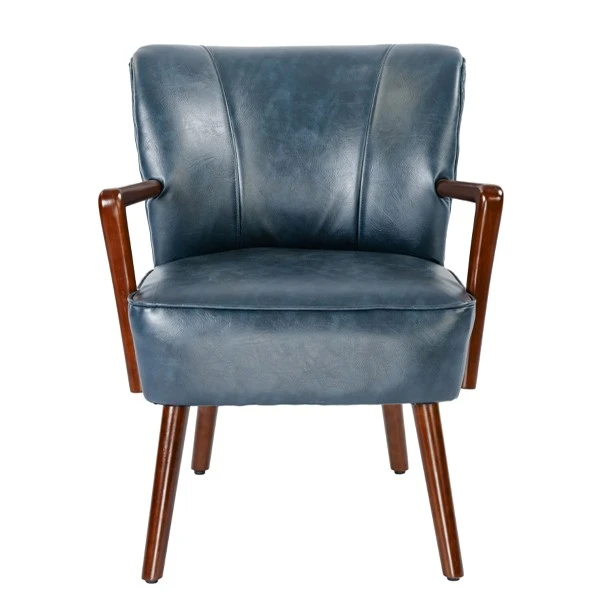
First things first, let's talk about what a PU arm chair is. PU stands for polyurethane, which is a synthetic material commonly used for chair covers. PU is known for its durability, affordability, and ease of cleaning, making it a popular choice for both residential and commercial furniture. An arm chair, as the name suggests, is a chair with armrests for added comfort. So, a PU arm chair is basically a chair with a polyurethane cover and armrests.
Now, what causes the noise when moving a PU arm chair? There are several factors to consider.
1. The Chair's Moving Mechanism
If your PU arm chair has wheels, they play a significant role in the noise level. The type of wheels can make a huge difference. For instance, chairs with hard plastic wheels tend to be noisier when moved across a floor compared to those with PU wheels. This is because hard plastic wheels create more friction with the floor surface, resulting in a scraping or grinding sound.
We offer a Leisure Chair With Metal Frame And PU Wheel that is designed to be quiet and smooth when moved. The PU wheels are soft and flexible, which helps to reduce the noise and also provides better traction on different floor types.

2. The Floor Surface
The type of floor you're moving the chair on also matters. Moving a chair on a hardwood floor can be noisier than on a carpeted floor. Hardwood floors are smooth and hard, so when the chair's wheels or legs move across them, they can make a loud clicking or rolling sound. On the other hand, carpets absorb some of the noise and vibrations, making the movement quieter.
If you have a hardwood floor and want to reduce the noise, you can consider using floor protectors or mats. These can act as a buffer between the chair and the floor, reducing friction and noise.
3. The Chair's Structure
The overall structure of the chair can affect the noise level as well. A poorly constructed chair may have loose parts that can rattle or squeak when moved. For example, if the joints between the frame and the legs are not properly tightened, they can create noise.
When we manufacture our PU arm chairs, we pay close attention to the structure. Take our Morden Swivel Leisure Chair With PU Cover. It has a sturdy frame that is well - assembled, minimizing the chances of any rattling or squeaking during movement.
4. How the Chair is Moved
The way you move the chair can also impact the noise level. If you push or pull the chair roughly, it's more likely to make a lot of noise. Gentle and smooth movements are key to keeping the noise down. For example, instead of yanking the chair across the floor, try to lift it slightly and move it to the desired location.
Now, let's talk about how you can measure the noise level when moving a PU arm chair. You can use a sound level meter, which is a device that measures the intensity of sound in decibels (dB). A quiet environment like a library usually has a noise level of around 30 - 40 dB. A normal conversation is about 60 dB. When moving a PU arm chair, a noise level of less than 50 dB is considered relatively quiet.
To test the noise level of our chairs, we use professional sound level meters in a controlled environment. We move the chairs on different floor surfaces and measure the noise at various points during the movement. This allows us to ensure that our chairs meet the noise - reduction standards.
If you're in the market for a quiet PU arm chair, here are some tips to help you choose:
- Check the Wheels: Look for chairs with soft wheels, such as PU or rubber wheels. These are quieter and more gentle on the floors.
- Inspect the Frame: Make sure the frame is well - constructed and that all the parts are tightly assembled. You can give the chair a gentle shake to see if there are any loose parts.
- Test it Out: If possible, move the chair around in the store or showroom to see how noisy it is. This will give you a good idea of what to expect.
In addition to the noise level, you may also want to consider other factors when choosing a PU arm chair, such as comfort, style, and price. We offer a wide range of PU arm chairs to suit different needs and preferences. For example, our Wooden Accent Chair Leisure Reading Armchair PRAPIROON - P combines the warmth of wood with the comfort of a PU - covered seat, making it a great choice for relaxation and reading.
If you're interested in purchasing our PU arm chairs, we're here to help! We can provide you with more information about our products, including their noise - reduction features, and assist you in finding the perfect chair for your space. Whether you're furnishing an office, a home, or a commercial establishment, we've got you covered.
So, don't hesitate to reach out to us for a quote or to discuss your specific requirements. We're looking forward to working with you and helping you create a quiet and comfortable environment with our high - quality PU arm chairs.
References
- General knowledge about furniture materials and noise reduction techniques.
- In - house testing data of our PU arm chairs' noise levels.