Choosing the Best Material for Dining Chairs
Nov 21, 2024
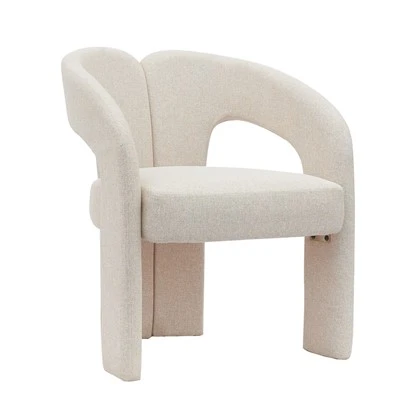
Selecting the right material for dining chairs involves considering various factors such as durability, comfort, aesthetics, maintenance, and budget. Each material has its own set of advantages and disadvantages. Below, we explore some of the most popular materials used for dining chairs, highlighting their pros and cons to help you make an informed decision.
1. Wood
Pros:
- Aesthetic Appeal: Wood offers a natural beauty with unique grain patterns that can enhance the visual appeal of your dining space.
- Durability: High-quality hardwoods like oak, maple, and walnut are robust and can withstand daily use.
- Versatility: Wood can be stained or painted in various colors to match your decor.
- Eco-Friendly: Wood is a renewable resource and can be sustainably sourced.
Cons:
- Maintenance: Requires regular care to prevent scratches, stains, and warping.
- Cost: High-quality wood can be expensive.
- Weight: Solid wood chairs can be heavy and difficult to move.
2. Metal
Pros:
- Strength: Metals like stainless steel and aluminum are very durable and can support significant weight.
- Modern Look: Metal chairs often have a sleek, contemporary design.
- Low Maintenance: Easy to clean and resistant to weather conditions.
Cons:
- Comfort: Metal can be uncomfortable without proper padding or cushions.
- Temperature Sensitivity: Metal can become too hot or too cold, depending on the environment.
- Cost: High-quality metal chairs can be pricey.
3. Upholstered (Fabric or Leather)
Pros:
- Comfort: Upholstered chairs provide extra comfort with cushioned seats and backs.
- Variety: Wide range of fabrics, colors, and textures to choose from.
- Style: Can be styled to fit both modern and traditional interiors.
Cons:
- Maintenance: Upholstery requires regular cleaning and can be prone to stains and wear.
- Durability: Fabric can wear out over time, especially in high-traffic areas.
- Allergens: Some fabrics may attract dust and allergens.
4. Plastic and Resin
Pros:
- Affordability: Generally more affordable than wood or metal.
- Lightweight: Easy to move and rearrange.
- Variety: Available in a wide range of colors and styles.
Cons:
- Durability: Less durable than wood or metal and may crack or break over time.
- Aesthetics: May not offer the same level of sophistication as wood or metal.
- Environment: Some plastics are not environmentally friendly.
5. Wicker and Rattan
Pros:
- Natural Look: Adds a touch of nature with a casual, relaxed vibe.
- Comfort: Often designed with ergonomic contours for added comfort.
- Aesthetic Versatility: Suits both indoor and outdoor settings.
Cons:
- Maintenance: Requires regular cleaning to prevent dust buildup and mildew.
- Durability: Can become brittle and may not withstand heavy use.
- Weather Sensitivity: Not always suitable for outdoor use in harsh climates.
Conclusion
The best material for dining chairs ultimately depends on your specific needs and preferences. If you prioritize durability and a classic look, wood might be your best bet. For a modern, industrial vibe, metal could be the way to go. If comfort is your main concern, upholstered chairs are likely your ideal choice. On the other hand, if you're looking for affordability and variety, plastic or resin chairs might be the most suitable option.
Consider your lifestyle, dining space, and personal taste when making your decision. By weighing the pros and cons of each material, you can find dining chairs that not only look great but also function well in your home.