Do Living Room Chairs Need to Match?
Oct 24, 2024

In the world of interior design, the question of whether living room chairs need to match is a topic that often sparks debate.
1. The Case for Matching Chairs
- Aesthetic Harmony
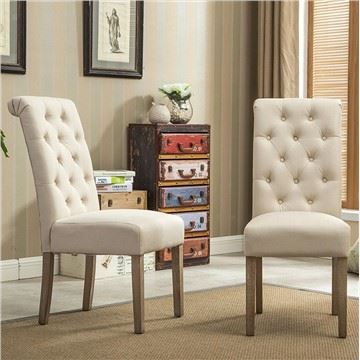
- One of the main reasons for choosing matching chairs in the living room is to create a sense of aesthetic harmony. When all the chairs in the living room have a similar design, color, and style, it gives the room a cohesive and put - together look. For example, a set of four classic wooden dining chairs with the same carved details and dark stain around a wooden dining table in the living room area can create a very traditional and elegant appearance. This kind of uniformity can make the living room look more organized and visually appealing, as it follows a certain design theme. .
- Matching chairs can also help to define a specific style for the living room. If you are aiming for a modern minimalist look, a set of sleek, white, low - profile chairs with clean lines will enhance that style. On the other hand, if you prefer a rustic or farmhouse style, a set of wooden chairs with distressed finishes and simple, sturdy designs will contribute to that overall aesthetic.
- Ease of Design
- For those who are not confident in their interior design skills, matching chairs can be a safe and easy option. It takes away the guesswork involved in mixing and matching different pieces. You don't have to worry about whether different chair styles, colors, or materials will clash with each other. Instead, you can simply choose a set of matching chairs that fit the overall size and layout of your living room. This is especially useful for people who are furnishing their living rooms on a budget or in a hurry, as it simplifies the decision - making process.
2. The Case Against Matching Chairs
- Expressing Individuality
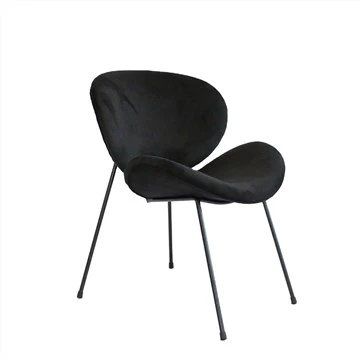
- In modern interior design, many people prefer to express their individuality and unique taste. Using non - matching chairs can be a great way to do this. You can mix different styles of chairs, such as a mid - century modern armchair, a contemporary acrylic chair, and a vintage - inspired wingback chair. This eclectic mix can add character and charm to the living room. It shows that the homeowner has a creative and diverse sense of style. For instance, placing a bright red, modern - design lounge chair next to a more subdued, traditional - looking wooden rocker can create an interesting contrast that makes the living room more memorable. .
- Functionality and Flexibility
- Sometimes, non - matching chairs can be more functional. For example, if you have a large living room that is used for various activities such as reading, watching TV, and entertaining guests, you might want to have different types of chairs to suit different needs. A large, comfortable recliner might be perfect for relaxing while watching a movie, while a couple of lightweight, stackable chairs can be easily moved around for extra seating when guests arrive. This way, you are prioritizing functionality over a strictly matching aesthetic.
3. Finding a Balance
- Color Coordination
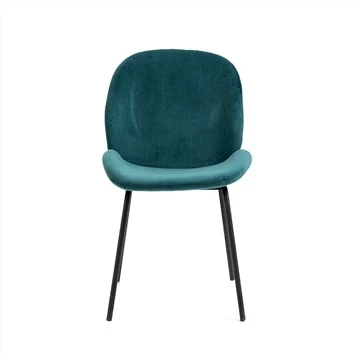
- If you don't want to go for completely matching chairs but still want a harmonious look, you can focus on color coordination. Choose chairs that have a similar color palette, even if their styles are different. For example, you could have a blue velvet armchair, a blue - and - white striped patterned chair, and a light blue - painted wooden chair. The common blue color will tie them together while still allowing for variety in design.
- Grouping by Style or Function
- Another way to balance the need for variety and harmony is to group chairs by style or function. For example, you could have a set of three more formal, upholstered chairs grouped together for a conversation area, and then a couple of more casual, folding chairs or stools on the other side of the living room for when extra seating is needed. This way, you create distinct areas within the living room with a sense of order, even though the chairs are not all identical.
In conclusion, whether living room chairs need to match ultimately depends on personal preference, the overall design concept of the living room, and the functionality requirements. There are valid arguments for both matching and non - matching chairs, and by considering different factors, you can create a living room that is both stylish and functional.