The Considerations of Matching Dining Chairs to Tables
Jan 10, 2025
The dining area is often the heart of a home, where family and friends gather to share meals and create memories. One of the key elements in this space is the dining set, which includes the table and chairs. A common question that arises is whether dining chairs need to match the table. This article will explore the various aspects of this decision, from aesthetics to functionality, and provide guidance on how to create a cohesive and inviting dining area.
Aesthetic Considerations
1. Unity and Harmony: Matching dining chairs to the table can create a sense of unity and harmony in the dining space. This is particularly important in more formal settings or when aiming for a traditional or classic look. The uniformity can make the space appear more polished and put-together.
2. Contrast and Interest: On the other hand, contrasting the chairs with the table can add visual interest and prevent the space from appearing too matchy-matchy. This approach works well in more casual or contemporary settings and allows for more flexibility in updating the look of the space over time.
3. Color Coordination: Whether matching or contrasting, it's essential to consider color coordination. Complementary colors can create a balanced look, while a pop of contrasting color can draw the eye and add a focal point.
Functional Considerations
1. Comfort and Ergonomics: The comfort of the dining chairs is paramount. Regardless of whether they match the table, chairs should be designed with the right proportions to provide comfort throughout a meal. Ergonomic seats and backs are essential for maintaining good posture during long dinners.
2. Space Utilization: The size of the chairs in relation to the table is crucial for functionality. Chairs should be easily maneuverable around the table without causing congestion. Oversized chairs can make the space feel cramped, while undersized chairs can look out of place.
3. Durability and Maintenance: The materials used for both the table and chairs should be considered, especially in terms of durability and ease of maintenance. For instance, a wooden table may require more care than a glass or metal one, and this should be factored into the choice of chairs.
Practical Tips for Creating a Cohesive Look
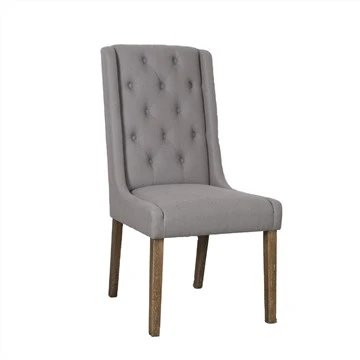
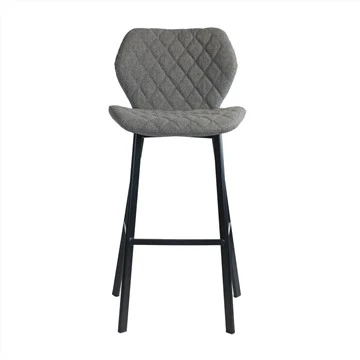
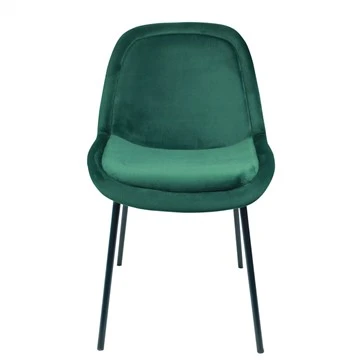
1. Choose a Common Material: If you opt not to match the table and chairs exactly, consider choosing a common material that ties them together. For example, wooden chairs with a wooden table or metal chairs with a metal frame table.
2. Incorporate a Unifying Pattern or Texture: A pattern or texture that appears in both the table and chairs can create a sense of cohesion without requiring an exact match.
3. Consider the Style of Your Home: The overall style of your home should guide your decision. A more traditional home may benefit from a matched set, while a modern home may look better with contrasting pieces.
Conclusion
In conclusion, whether dining chairs need to match the table depends on your personal style, the formality of your dining space, and your desire for flexibility in decorating. By considering aesthetic, functional, and practical factors, you can create a dining area that is both beautiful and comfortable. Remember, the goal is to create a space that reflects your personal taste and enhances your dining experience.