


What makes a living room chair comfortable?
Apr 16, 2024
People say beauty is subjective: this is true, but to some extent it can also be objective. The same goes for comfort: seat comfort is of course subjective, but there are certain objective criteria for designing a chair that is unquestionably "comfortable." If "providing healthy things to our bodies" is comfortable, then a chair that "provides healthy things to our bodies" is comfortable: a well-designed chair can accommodate most people, apart from certain independent factors related to size, of course.
Then we can say "By looking at a chair we can recognize its advantages without sitting on it".
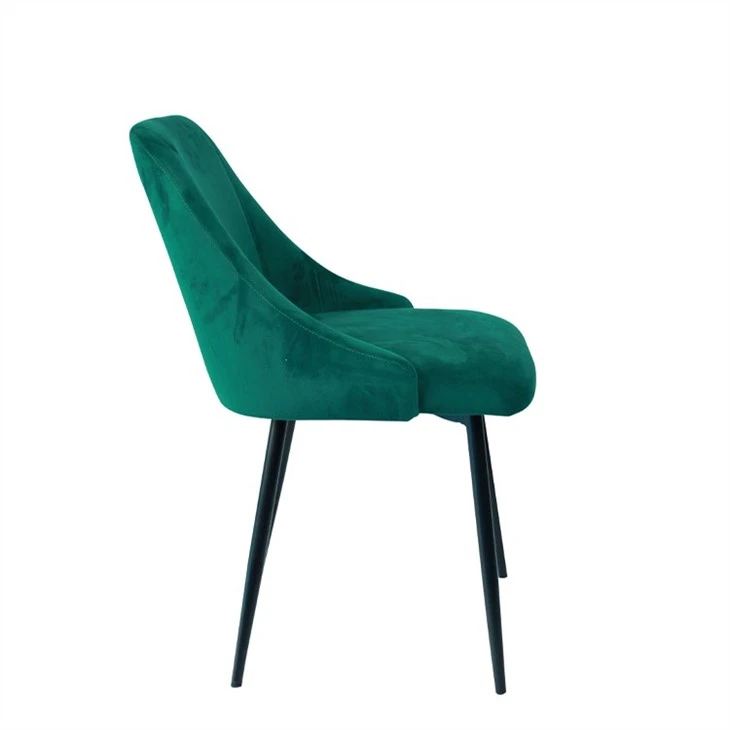

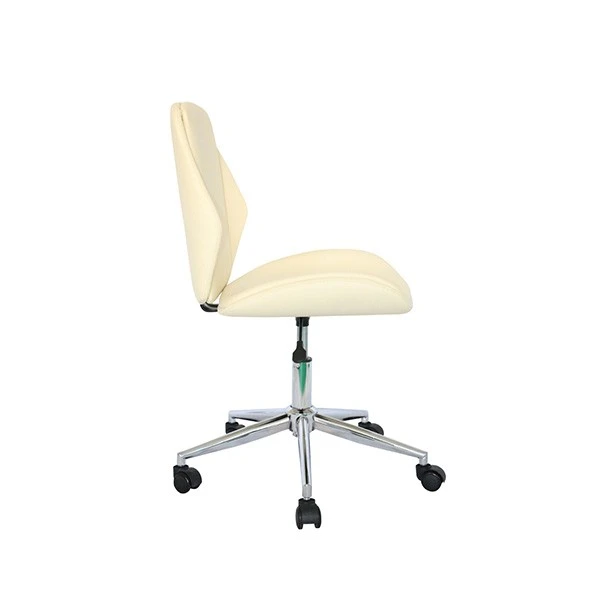
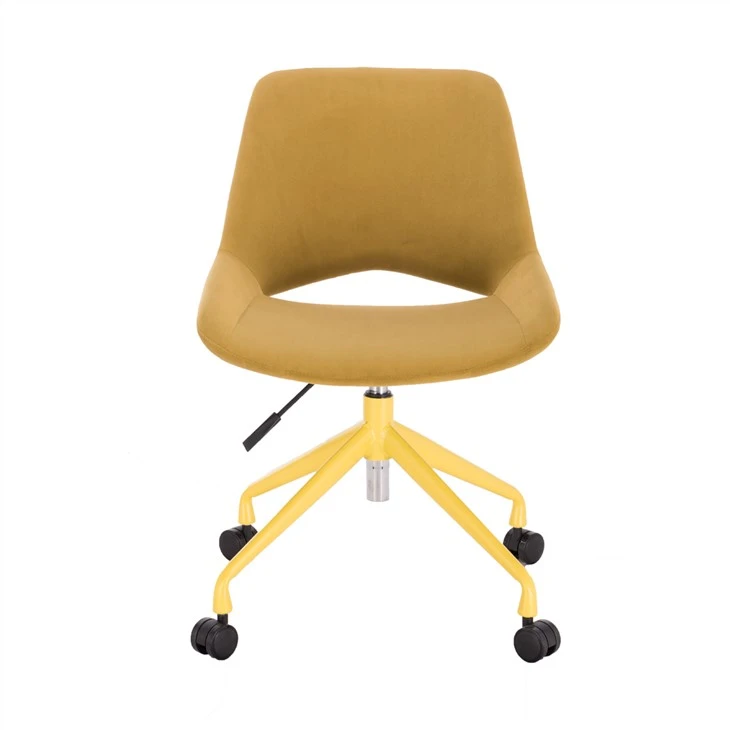
The first thing we need to look at is the "surface" material of the chair, i.e. what material will the user be sitting on?
Leather, faux leather and fabric chairs often have soft, comfortable padding: the shape of the chair may be more or less ergonomic, given that the padding adjusts to the shape of your body.
Leather or bonded leather chairs usually have a harder padding that adapts less easily to the shape of the body: in these cases, the design focuses more on the overall ergonomics of the structure.
Wooden, lacquered, plastic or metal chairs, on the other hand, have a "hard" surface made of hard material that is made more comfortable through an ergonomically focused design. In fact, when you look at the seat and back of these chairs, you'll often see curves and indentations in the structure that add to the overall comfort of the chair.
The height of the chair seat is usually between 43 and 47 cm: these heights provide the correct proportions for a table with a height of 75 to 76 cm.
The width of the seat is usually 38 to 50 cm. In many cases, the front of the seat is wider than the back, so the chair appears lighter but is still large enough to provide comfort and support.
As we said, seats are often shaped to make them more comfortable: when the front of the seat flexes, it allows you to sit forward without causing discomfort to your hamstring muscles (lower thighs). ); For chairs made of "hard" materials, the center of the seat is usually recessed for ergonomic reasons; in many cases the seat is also slanted, with the higher end in front and the lower end in the back, Especially when the backrest allows you to sit back.
Some chairs have more flexible seats that fluctuate with the user's weight. This is achieved with some chairs that have metal sled bases that are "open" at the top: this allows them to move up and down, increasing the comfort of the chair. In other cases, however, a slightly elastic material (such as leather) or fabric (such as texlast) can be stretched over a rigid support. This will also provide a modest (but effective) sense of movement and undulation in the seat.
If the width of the backrest has a substantial aesthetic value, the height of the backrest has an aesthetic and ergonomic value.
The chair is not designed to support the "neck area" (neck area) as this would require the backrest to be too high and therefore too visually impactful... However, it is absolutely important that the backrest does not "cut the back" at seat height Less than 32-33 cm. This is also the case because aesthetically speaking, chair backs should be higher than tables (although exactly how high they should be is a personal choice).
Obviously, the backrest can also be higher than this, at least 110 cm, in order to best support the spine up to the shoulder blades and even the shoulders; in these cases the backrest will also become slimmer, in order to appear more attractive and not overwhelming The beauty of the table.
The backrest is usually not completely vertical, but slightly tilted back. Typically, the angle of inclination also changes halfway up the backrest (corresponding to the kidneys) to accommodate the natural curve of the spine.
It is a fairly common practice to have a curved wide backrest in order to best accommodate the user without negatively affecting the aesthetics.
Finally, most backrests also benefit from their natural elasticity, which serves the dual purpose of providing comfort to the user while also providing resistance to the structure itself.
Chairs with armrests are undoubtedly valuable aesthetically and are often very comfortable as well. The armrests are usually between 15 and 23cm high from the seat itself: this height best supports your resting arms and, with some tables, also allows you to push the chair underneath without getting in the way of the armrests.
When you're shopping for a chair with armrests, it's important to note that some are more decorative than functional, especially those integrated into the wraparound backrest.


