Why Don't Ergonomic Chairs Have Headrests?
Apr 30, 2025
Ergonomic chairs are designed to support the body's natural posture and movement when sitting for long periods of time, which improves comfort and reduces the risk of musculoskeletal issues. The lack of headrests in many ergonomic chair designs is intentional and rooted in several key ergonomic principles:
Encourage correct posture: Ergonomic chairs are designed to promote an upright sitting position that maintains the natural curvature of the spine. Headrests sometimes encourage users to lean too far, leading to poor posture and increased pressure on the lower back.
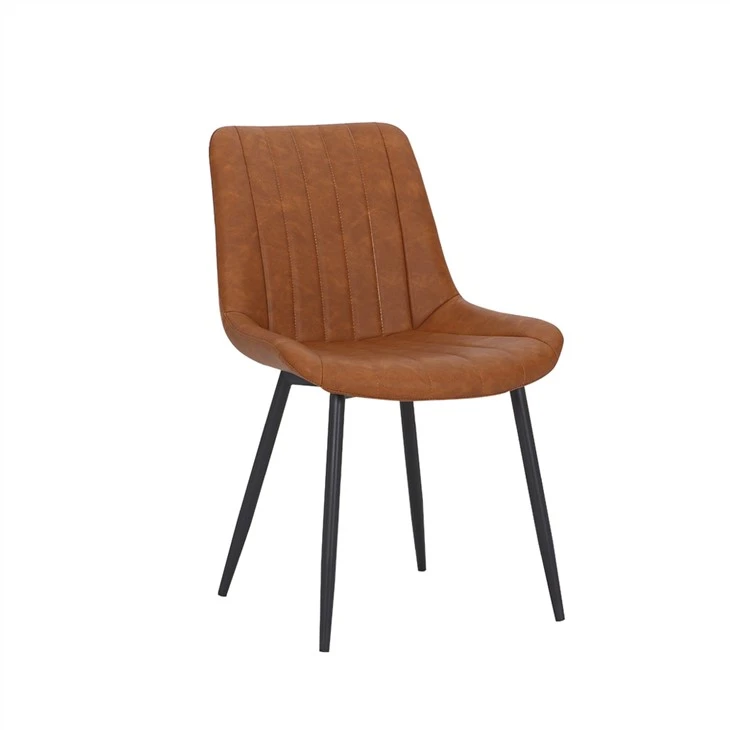
Support active sitting: These chairs are designed to promote movement and flexibility, known as active sitting. Headrests can restrict upper body movement and make it more difficult for users to change posture, which is critical for reducing spinal pressure and improving blood circulation.
Customization and adjustability: Ergonomic chairs prioritize adjustability in key areas such as lumbar support, seat height, and armrests. Because headrests often require additional adjustments to accommodate different body types and sitting preferences, this complicates the design and can reduce the overall adjustability and comfort of the chair, affecting more users.
Workstation compatibility: Many ergonomic chairs are used in office environments where users frequently move their heads to view different screens, documents, or interact with coworkers. Headrests can impede this frequent head movement, making them less practical in such dynamic environments.
Focus on key support areas: Ergonomic design focuses on providing optimal support where it is needed most-typically the lower back (lumbar spine) and pelvis. By focusing on these areas, designers can create a chair that provides better overall support without the need for a headrest.